Ferrous vs Non-Ferrous Metals: What's the Difference?
25 June 2026Almost every scrap question starts here. Getting ferrous and non-ferrous right helps you sort, store and sell your metal for the best return.
The magnet test
Ferrous metals contain iron and are magnetic — a magnet sticks firmly. Non-ferrous metals (copper, brass, aluminium, lead, most stainless) are not magnetic. A simple fridge magnet is the quickest sorting tool you have.
Common examples
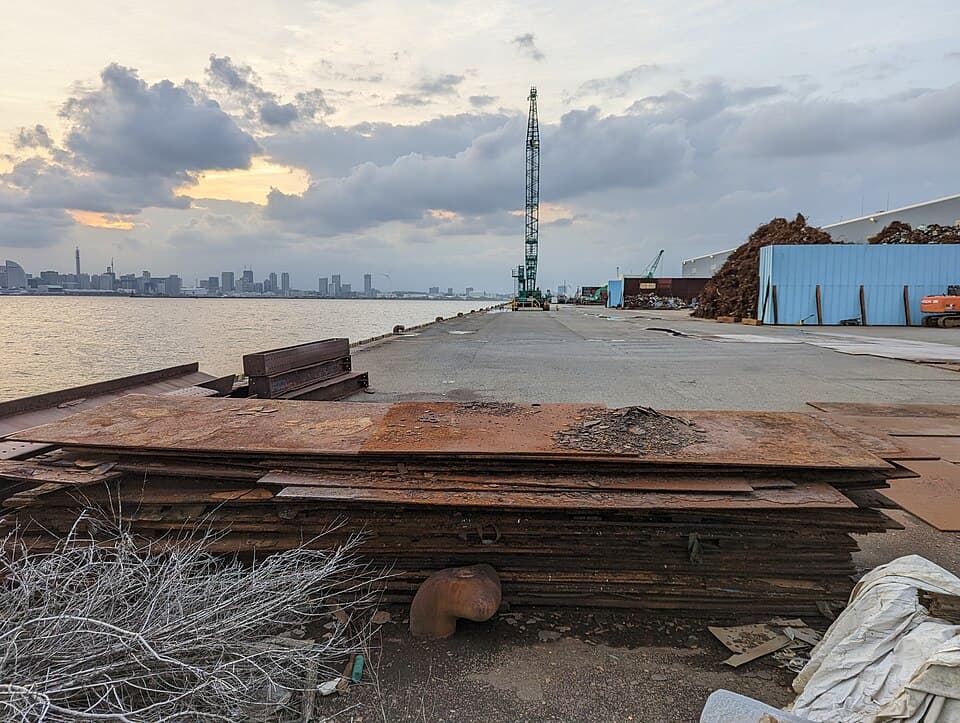
- Ferrous — steel, cast iron, mild steel, structural beams
- Non-ferrous — copper, brass, aluminium, lead, zinc
- Note — some stainless (400-series) is magnetic but still non-ferrous in value terms
Why it matters for price
Non-ferrous metals are generally worth far more per kilo than ferrous, so separating them is the easiest way to increase the value of a mixed load. We grade everything on collection, but pre-sorting helps.
Related: learn more on our Ferrous Scrap page.
Need a quote or a collection?
Call, WhatsApp a photo, or send us the details for a fast, fair price.
Frequently Asked Questions
What's the quickest way to tell them apart?
A magnet. If it sticks, it's ferrous (steel/iron). If not, it's non-ferrous (copper, brass, aluminium, lead).
Is stainless steel ferrous or non-ferrous?
It varies — 300-series (304/316) is usually non-magnetic, while 400-series is magnetic. Either way we grade it by alloy content.
Which is worth more?
Non-ferrous metals are generally worth much more per kilo than ferrous steel and iron.