Planning a Factory Clearance: A Step-by-Step Guide
24 June 2026A factory or industrial clearance is a big job — but with the right partner it should be straightforward, safe and even profitable. Here's how a well-run, fully documented clearance works, step by step.
1. Site survey and quotation
Every clearance should start with a site visit. We assess the metals, grades, machinery, vehicle access and any hazards, then give you a clear written quotation. Be wary of quotes given without a survey — they rarely hold up.
2. Planning and scheduling
We agree timing and the sequence of removal so the clearance works around your operations. Larger jobs are staged over several collections to avoid disruption.
3. Safe disconnection and removal
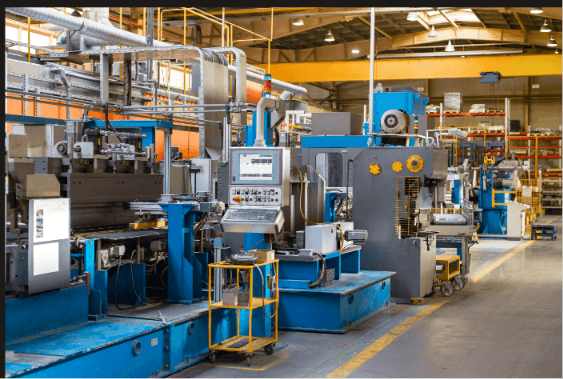
Machinery is safely isolated and disconnected, then dismantled and removed with the right equipment — protecting your people and any part of the building you're keeping.
4. Sorting and weighing
Recovered material is separated by metal type and grade, then weighed transparently on auditable scales. Accurate grading is what determines your payment.
5. Documentation and payment
You receive waste transfer notes, weighbridge tickets and a clear payment statement — your evidence the waste was handled legally under your duty of care.
Why use a licensed waste carrier?
Under UK duty of care you can remain legally responsible for where your waste ends up. Using an Environment Agency registered carrier and keeping the transfer notes is your protection. Always ask for and verify the registration number.
Related: learn more on our Factory Clearance service.
Need a quote or a collection?
Call, WhatsApp a photo, or send us the details for a fast, fair price.
Frequently Asked Questions
How long does a factory clearance take?
It depends on the size of the site. Small clearances can be done in a day; larger industrial sites are staged over several collections. We confirm a timescale at the survey stage.
Do I get paid for a factory clearance?
Yes. Recoverable metal is weighed and paid for at agreed grade prices, and for most clearances the metal value offsets or exceeds the cost of the work.
What documentation should I receive?
Waste transfer notes, weighbridge tickets and a payment statement based on those weights and agreed prices.