Copper Scrap
Copper is the most valuable metal we buy, and prices are highly sensitive to grade and cleanliness. We pay closest to the LME for clean, single-grade copper and offer fair, transparent rates for mixed and contaminated material — all weighed on auditable scales.
Copper We Purchase
- Bright & bare bright copper wire
- No.1 copper (clean tube & heavy)
- No.2 copper (braziery / painted)
- Insulated copper cable & wire
- Copper busbar & offcuts
- Electric motors, armatures & windings
- Copper transformers
- Copper cylinders & radiators
Copper Grades We Accept
Sorted or mixed — we grade fairly so you get the right price for each type.
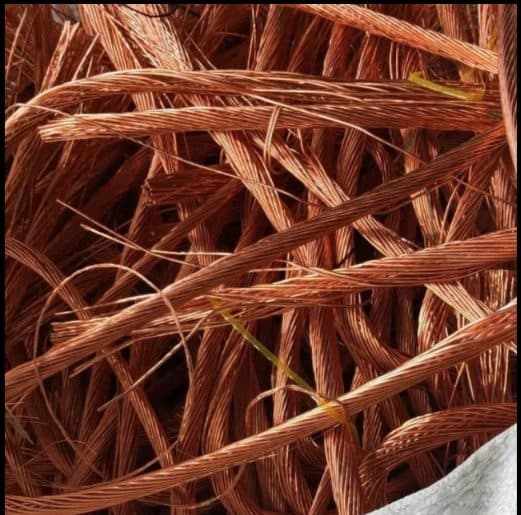
Bare Bright
Bright, clean, uncoated copper wire — the highest-priced grade.
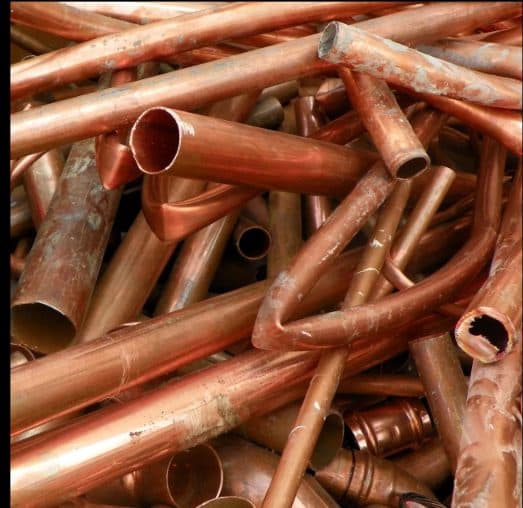
No.1 Copper
Clean copper tube, busbar and heavy unalloyed copper, free of solder.
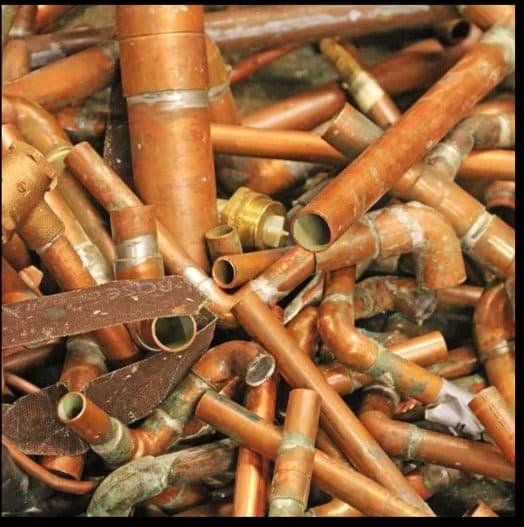
No.2 Copper
Braziery, painted or lightly contaminated copper.
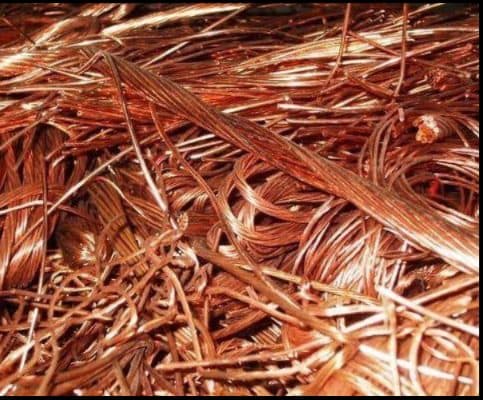
Copper Wire
Clean copper wire and offcuts from electrical work.
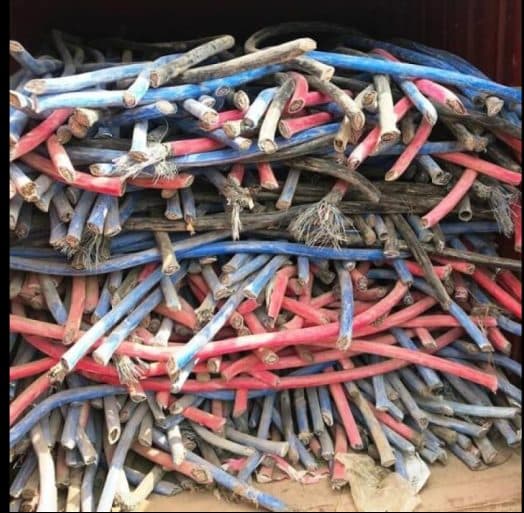
Copper Cable
Insulated cable priced on recoverable copper content.
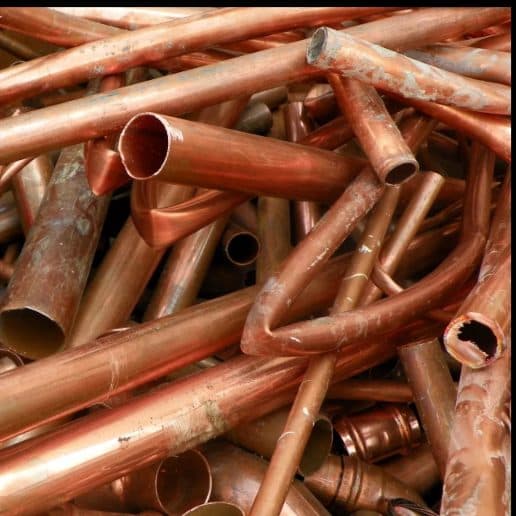
Copper Tube
Plumbing and refrigeration tube, ends removed.
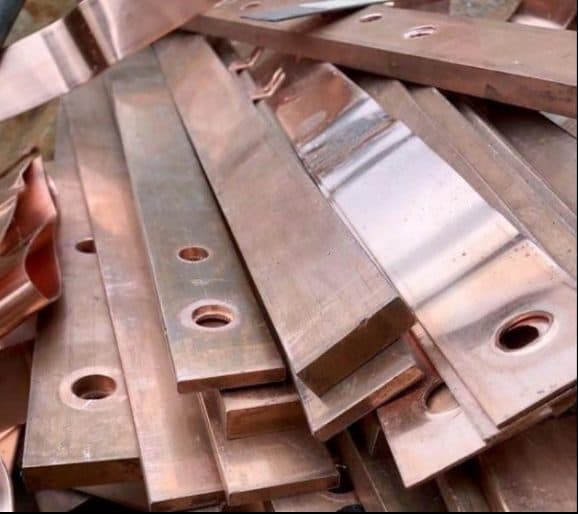
Busbar
Heavy copper busbar from switchgear and panels.
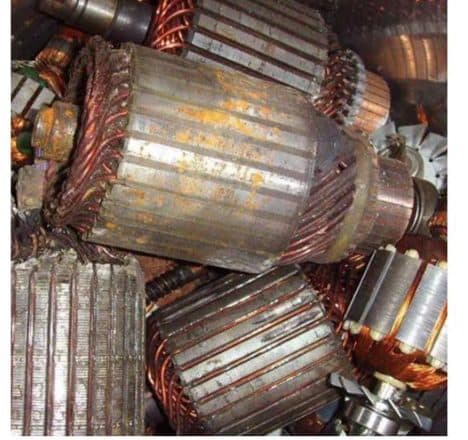
Armatures
Copper-wound armatures and rotors.
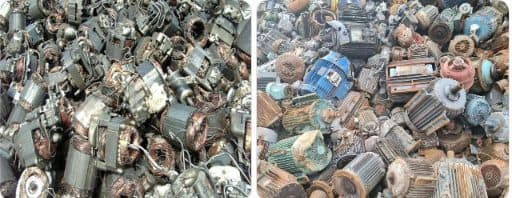
Electric Motors
Whole electric motors recovered for copper winding.
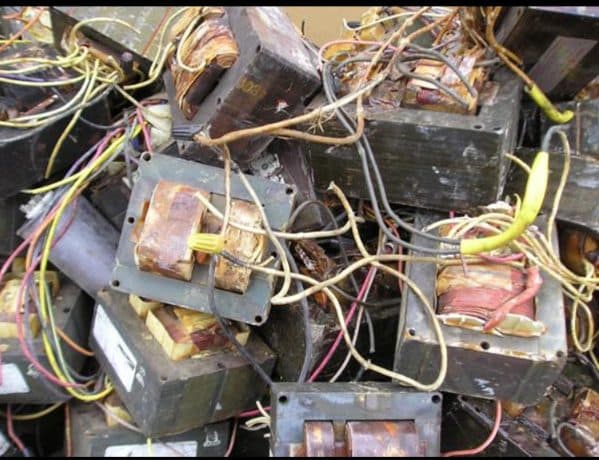
Transformers
Copper-wound transformers, weighed by recoverable content.
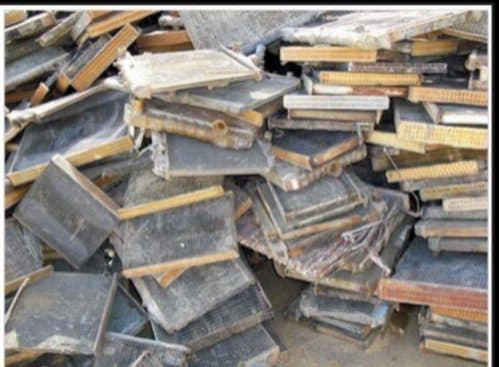
Radiators
Copper and copper/brass radiators.
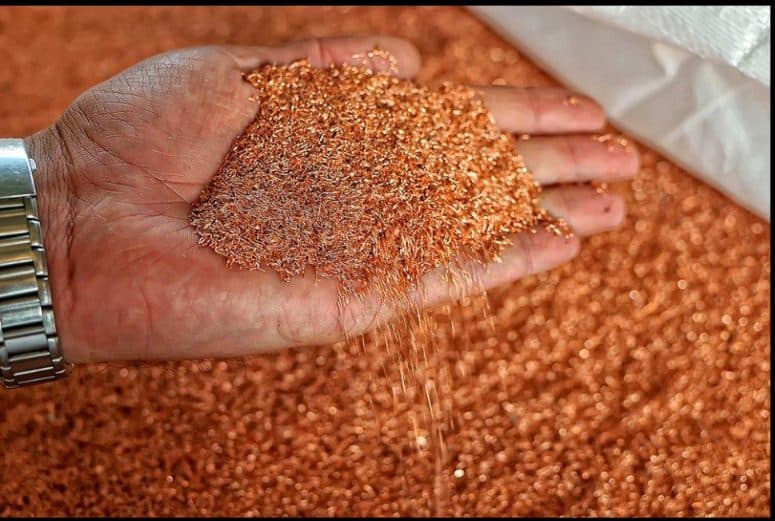
Granules
Granulated copper from cable recycling.
How to Identify Copper
- Copper has a distinctive reddish-orange colour; tarnished copper turns brown or green.
- It is non-magnetic — a magnet will not stick to copper.
- Bare bright must be clean, bright and free of any coating, solder or tin.
- A scratch reveals shiny salmon-pink metal underneath.
- Copper is heavy and dense compared with aluminium of the same size.
Common Sources
- Electrical rewires and cable offcuts
- Plumbing and heating strip-outs
- Demolition and refurbishment sites
- Factories and engineering workshops
- Electric motors and decommissioned plant
- Air-conditioning and refrigeration units
Complete Copper Guide
Product categories vs international trading grades — the classification system used by buyers, sellers and recyclers worldwide.
Copper scrap is any copper-containing material that has reached the end of its useful life or is generated during manufacturing, construction, demolition, electrical work, plumbing or industrial production. Instead of being discarded, it is collected, sorted, processed and recycled into new copper products.
Copper is one of the most valuable recyclable metals because it keeps its electrical conductivity, thermal conductivity and corrosion resistance even after repeated recycling.
Key Properties
- Excellent electrical conductivity
- Excellent thermal conductivity
- High corrosion resistance
- Long service life
- Easily recyclable
- High global demand
- Low recycling energy vs mining
Major Industries
Electrical & power distribution, construction, automotive, electronics, telecommunications, renewable energy, marine and manufacturing.
Product Categories — What The Material Is
Bare Bright Copper Wire
The highest-quality, highest-value everyday copper scrap: clean, bright, uncoated, unalloyed copper wire with no insulation, paint, solder or oxidation.
Sources: Electrical wiring, cable manufacturers, contractors, building rewiring, industrial wiring. Note: 99%+ copper.
Tip: Keep Bare Bright separate from all other copper grades — even small contamination cuts its value.
No.1 Copper Scrap
Clean unalloyed copper free of excessive oxidation, paint, insulation or attachments — does not have to be wire.
Sources: Copper pipe, tube, busbars, thick plate, heavy sections. Note: ~99% copper.
No.2 Copper Scrap
Copper with light contamination such as solder, paint, tarnish, oxidation or minor attachments.
Sources: Old plumbing, roofing copper, fabrication scrap, used industrial equipment.
Tip: Removing soldered fittings and steel attachments can increase value.
Copper Pipe & Tube
Copper pipe and tube recovered from plumbing, heating, refrigeration and HVAC; hollow, high copper content, easy to recycle.
Sources: Residential plumbing, commercial buildings, refrigeration, AC units.
Copper Wire Scrap
Electrical wiring from residential, commercial and industrial installations.
Sources: Bare wire, insulated wire, communication cable, automotive wiring.
Tip: Stripping insulation usually increases value if it's economical to do so.
Copper Cable Scrap
Power and communication cables containing copper conductors.
Sources: Twin & Earth, single core, SWA (steel wire armoured), underground, flexible cable. Note: sold on copper recovery.
Copper Busbar Scrap
Solid copper bars used to distribute electricity in switchboards and substations.
Sources: Thick, heavy, high purity, excellent conductivity.
Copper Granules
Small copper particles produced after processing and granulating insulated cable.
Sources: Used in smelting, alloy production and copper refining.
Copper Motor Scrap
Copper windings recovered from electric motors.
Sources: Industrial motors, pumps, compressors, machinery. Note: value depends on copper recovery vs steel/aluminium.
Copper Transformer Scrap
Copper recovered from electrical transformers.
Sources: Utilities, industrial plants, renewable energy installations.
Copper Radiator Scrap
Radiators made from copper and brass, common in older vehicles and industrial equipment.
Sources: May contain brass tanks, steel brackets and solder.
Copper Armature Scrap
Copper windings and armatures removed from motors and generators.
Sources: Motor and generator recycling.
Mixed Copper Scrap
A mixture of copper products not sorted into separate grades — mixed purity and form, lower value than clean segregated copper.
Sources: All copper sources combined. Note: requires sorting.
Trading Grades Explained
Bare Bright
Clean, bright uncoated copper wire.
No.1 Copper
Clean heavy copper pipe, busbars, solids.
No.2 Copper
Copper with solder, paint or oxidation.
Berry
High-quality prepared copper wire meeting specification.
Candy
Prepared heavy No.1 copper meeting specification.
Product Category vs Trading Grade
| Product Category | Trading Grade |
|---|---|
| Bare Copper Wire | Bare Bright / Berry |
| Copper Pipe & Busbar | No.1 Copper / Candy |
| Copper with Solder or Paint | No.2 Copper |
| Insulated Copper Cable | Usually sold by recovery % rather than as Bare Bright |
| Mixed Copper | Requires sorting before qualifying for a higher grade |
How To Identify Copper
| Type | Colour | Magnet Test | Typical Value |
|---|---|---|---|
| Bare Bright | Bright orange-red | Non-magnetic | Highest |
| No.1 Copper | Clean reddish-brown | Non-magnetic | High |
| No.2 Copper | Dark brown / oxidised | Non-magnetic | Medium |
| Copper Cable | Plastic-covered | Usually non-magnetic | Depends on copper recovery |
| Mixed Copper | Mixed appearance | Varies with attachments | Lower |
Best Practices To Maximise Value
- Separate Bare Bright from all other copper grades
- Remove insulation when economically practical
- Keep No.1 and No.2 copper separate
- Remove steel fittings, plastic, rubber and excess solder
- Store grades in clearly labelled containers to avoid contamination
Final Takeaway
- 1. What is the material? (wire, pipe, cable, motor, radiator)
- 2. How clean is it? (bare, insulated, soldered, painted, oxidised)
- 3. Is it prepared to a recognised trading spec? (Bare Bright, Berry, Candy)
Industries Served
Applications
- Electrical wiring & power distribution
- Plumbing & heating systems
- Motors, transformers & generators
- Renewable energy & EV manufacturing
- Architecture & roofing
How We Recycle Copper
Collection & Weighing
We collect your copper and weigh it on auditable scales with a clear ticket.
Sorting & Grading
Material is separated into bright, No.1, No.2 and cable grades to maximise your return.
Processing
Cable is granulated and copper is baled to foundry-ready stock.
Export & Refining
Graded copper enters our recycling network for refining into new product.
What Affects Your Copper Price
We're transparent about pricing — here's what moves the rate you're paid.
Grade & cleanliness
Bare bright and No.1 command the highest prices; contamination lowers the grade.
LME copper price
Daily London Metal Exchange movements set the baseline for all grades.
Quantity
Larger, single-grade loads attract better rates and free collection.
Cable recovery %
Insulated cable is priced on the percentage of recoverable copper inside.
Copper — Related Services & Guides
Copper Scrap — Common Questions
What is the difference between bright and No.1 copper?
Bare bright is clean, uncoated copper wire and is the top grade. No.1 covers clean copper tube, busbar and heavy copper free of solder, paint or fittings — priced slightly below bright.
Do you buy insulated copper cable?
Yes. We buy all types of insulated cable and price it on the recoverable copper content. Send a photo for an accurate quote.
How much is copper worth per kg?
Copper prices move daily with the LME and depend on grade and quantity, so we don't publish a fixed figure. Tell us your grade, rough weight and location for a current price.
Do you collect copper for free?
Yes — we offer free collection across Birmingham and the West Midlands for qualifying loads, and nationwide for larger quantities.
Sell Your Copper Today
Send a photo and rough weight for a fast, fair quote — with free collection across the West Midlands and prompt, transparent payment.