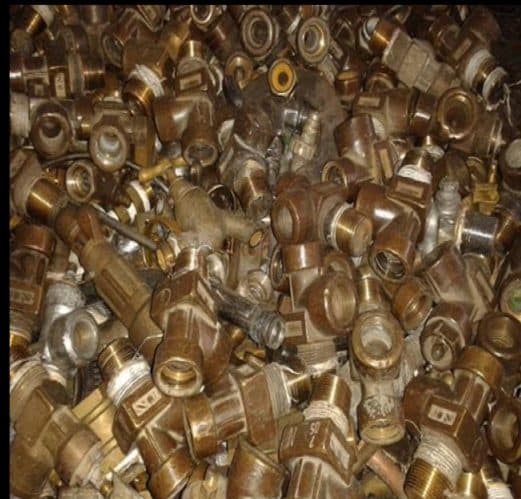
Brass Scrap
We buy all types of brass — from mixed fittings and valves to clean rod and machining turnings. Brass is sorted and graded fairly on auditable scales, so you get the right price for the right grade.
Brass We Purchase
- Yellow brass (mixed fittings & sheet)
- Red brass (higher copper content)
- Honey / clean brass
- Brass rod & extrusion
- Brass valves, taps & fittings
- Brass turnings & swarf
- Cartridge shells
- Brass sheet & offcuts
Brass Grades We Accept
Sorted or mixed — we grade fairly so you get the right price for each type.
Yellow Brass
Mixed brass fittings, valves and sheet — the most common grade.
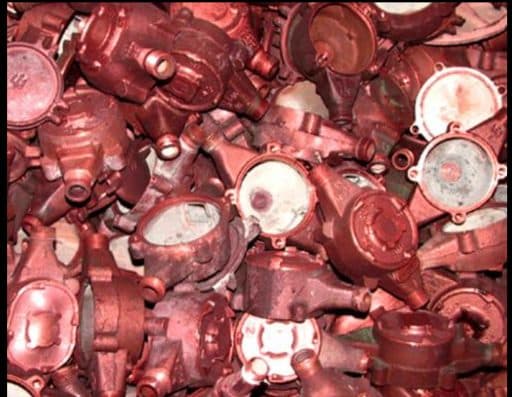
Red Brass
Higher copper-content brass, priced above yellow.
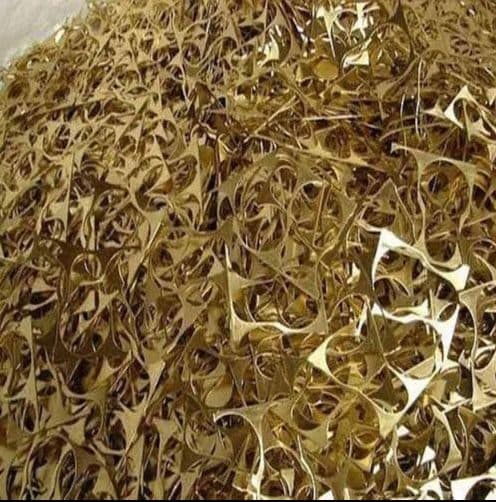
Honey Brass
Clean, bright honey-coloured brass.
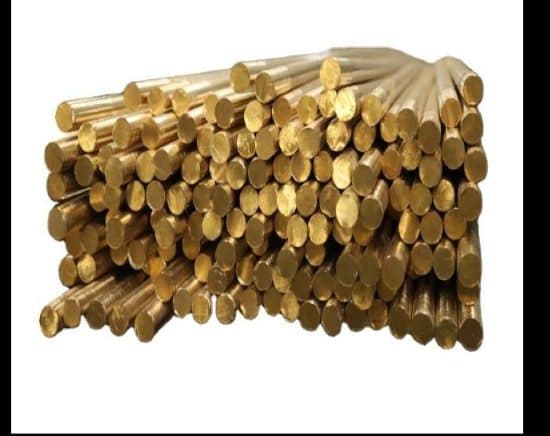
Brass Rod
Clean brass rod and extrusion offcuts.
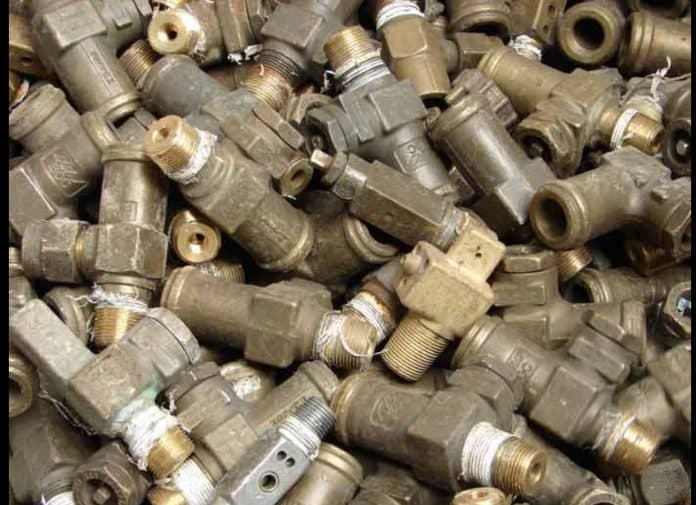
Valves & Fittings
Taps, valves and plumbing fittings.
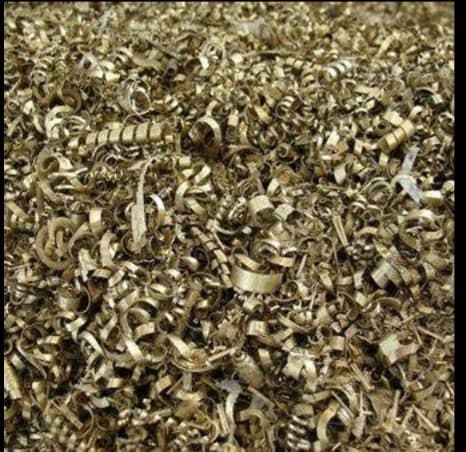
Turnings
Machine turnings and swarf, drained of oil.
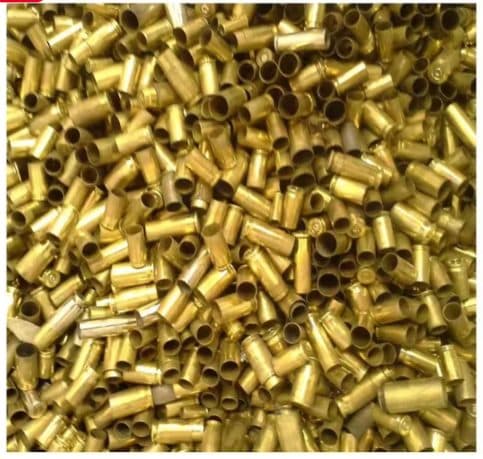
Shells
Cartridge cases and clean brass shells.
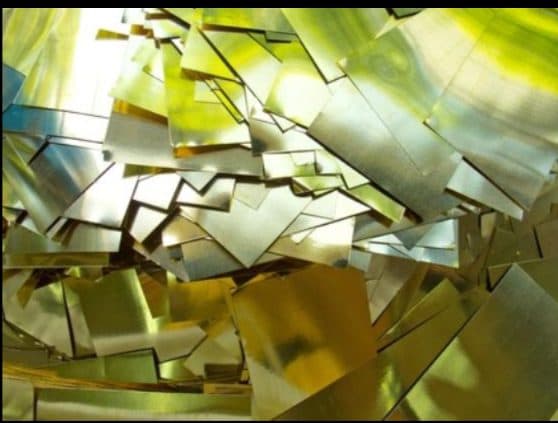
Brass Sheet
Brass sheet, plate and offcuts.
How to Identify Brass
- Brass is a copper-zinc alloy with a yellow-gold colour.
- It is non-magnetic — a magnet will not stick.
- Red brass is darker and contains more copper; yellow brass is brighter.
- Heavier and harder than aluminium; softer than steel.
- Often found as cast fittings, valves and machined components.
Common Sources
- Plumbing and heating strip-outs
- Engineering and machining workshops
- Valves, taps and bathroom fittings
- Decommissioned industrial equipment
- Locks, handles and ornamental fittings
- Ammunition cases (cartridge brass)
Complete Brass Guide
Product categories vs international trading grades — the classification system used by buyers, sellers and recyclers worldwide.
Brass scrap is recyclable material made from copper and zinc alloys that has reached the end of its useful life or is generated during manufacturing, machining, plumbing or demolition. Because brass can be recycled repeatedly without significant loss of quality, it is widely used in the recycling industry.
It is valued for its corrosion resistance, machinability, attractive gold-like appearance, durability, and good electrical and thermal conductivity.
Key Properties
- High copper content
- Corrosion resistant
- Easy to machine
- Strong and durable
- Recyclable without major quality loss
- High manufacturing demand
Major Industries
Plumbing, construction, marine, automotive, electrical, musical instruments, decorative hardware and engineering.
Product Categories — What The Material Is
Yellow Brass
The most common brass alloy, typically ~60–70% copper and 30–40% zinc. Golden yellow, medium weight, corrosion resistant and easy to machine.
Sources: Plumbing fittings, water valves, door handles, locks, hinges, pipe fittings.
Tip: Remove steel screws, rubber seals and plastic components before selling.
Red Brass
Higher copper content (typically 80–90%) than yellow brass, making it more valuable. Reddish-gold, heavy, excellent corrosion resistance.
Sources: Water meters, pump housings, marine fittings, heavy-duty valves, industrial castings.
Tip: Keep Red Brass separate from Yellow Brass for better prices.
Honey Brass
Trade term for clean, uncoated, unplated yellow brass free from contaminants — one of the highest-value brass grades.
Sources: Clean brass rod offcuts, manufacturing scrap, new production waste.
Tip: Keep Honey Brass free of paint, chrome plating, solder and steel attachments.
Brass Rod Scrap
Solid brass bars and rods used in machining and engineering — uniform composition, high-quality alloy.
Sources: CNC machining, manufacturing, engineering workshops.
Brass Sheet Scrap
Flat brass sheet from fabrication, decoration and industrial manufacturing.
Sources: Signage, decorative panels, engineering offcuts, manufacturing waste.
Brass Pipe & Tube
Brass tube and pipe recovered from plumbing, HVAC and industrial systems.
Sources: Plumbing, air-conditioning, heat exchangers, industrial machinery.
Brass Valves & Fittings
Valves, taps, connectors, couplings and plumbing fittings made from brass.
Sources: Residential plumbing, commercial buildings, water supply, industrial plants.
Tip: Remove plastic handles and steel fasteners where possible.
Brass Radiator Scrap
Older radiators made using copper tubes and brass tanks; may contain copper, brass, steel brackets and solder.
Sources: Classic vehicles, heavy machinery, industrial cooling systems.
Brass Turnings
Small chips and swarf from machining; may contain cutting oil and need cleaning before melting.
Sources: CNC machining, turning, milling, drilling.
Tip: Store turnings separately from solid brass.
Brass Shells
Spent, inert brass cartridge cases suitable for recycling — high-quality uniform alloy.
Sources: Shooting ranges, defence industry, ammunition manufacturers.
Tip: Only inert, empty cases are accepted after inspection.
Mixed Brass Scrap
A mixture of brass products not sorted into categories — mixed alloy and contamination, lower value than segregated brass.
Sources: All brass sources combined.
Trading Grades Explained
Honey Brass
Clean yellow brass without plating or attachments.
Yellow Brass
General plumbing and engineering brass.
Red Brass
High-copper brass castings and fittings.
Brass Turnings
Machining chips and swarf.
Mixed Brass
Unsorted brass materials.
Product Category vs Trading Grade
| Product Category | Trading Grade |
|---|---|
| Clean Brass Rod | Honey Brass |
| Plumbing Fittings | Yellow Brass |
| Heavy Cast Valves | Red Brass |
| Brass Machining Chips | Brass Turnings |
| Mixed Brass Items | Mixed Brass |
How To Identify Brass
| Type | Colour | Magnet Test | Typical Value |
|---|---|---|---|
| Honey Brass | Bright golden yellow | Non-magnetic | Highest |
| Yellow Brass | Golden yellow | Non-magnetic | High |
| Red Brass | Reddish-gold | Non-magnetic | High (often above yellow, due to copper) |
| Brass Turnings | Yellow chips | Non-magnetic | Medium |
| Mixed Brass | Mixed colours | Depends on attachments | Lower |
Best Practices To Maximise Value
- Separate Red Brass from Yellow Brass
- Keep Honey Brass free of plated or painted items
- Remove steel screws, plastic and rubber where practical
- Store machining turnings separately from solid brass
- Keep different grades clearly labelled
Final Takeaway
- 1. What is the product? (valve, fitting, rod, radiator, turning, shell)
- 2. What type of brass is it? (Honey, Yellow, Red, Mixed)
- 3. How clean is it? (free of plating, steel, rubber and contaminants)
Industries Served
Applications
- Plumbing valves & fittings
- Engineering & machined components
- Marine & decorative hardware
- Musical instruments
- Electrical connectors
How We Recycle Brass
Collection & Weighing
We collect and weigh your brass on auditable scales with a clear ticket.
Sorting & Grading
Brass is separated into yellow, red, honey, rod and turnings to maximise return.
Processing
Material is cleaned and consolidated to foundry-ready stock.
Export & Re-melt
Graded brass enters our recycling network for re-melting.
What Affects Your Brass Price
We're transparent about pricing — here's what moves the rate you're paid.
Copper content
Red and honey brass contain more copper and pay more than yellow.
Cleanliness
Brass free of steel, plastic or chrome plating grades higher.
LME copper price
Brass tracks copper, so daily LME movements affect the rate.
Quantity
Larger, sorted loads attract better rates and free collection.
Brass — Related Services & Guides
Brass Scrap — Common Questions
What is the difference between yellow and red brass?
Red brass has a higher copper content and a darker colour, so it pays more. Yellow brass is the brighter, more common grade from fittings and sheet.
Do you buy brass with steel attached?
Yes, but mixed or attached steel (e.g. chrome-plated fittings or steel-bodied valves) lowers the grade. We sort and price accordingly.
How is brass priced?
Brass tracks the copper market and is priced by grade and cleanliness. Send a photo and rough weight for a current quote.
Do you collect brass for free?
Yes — free collection across Birmingham and the West Midlands for qualifying loads.
Sell Your Brass Today
Send a photo and rough weight for a fast, fair quote — with free collection across the West Midlands and prompt, transparent payment.